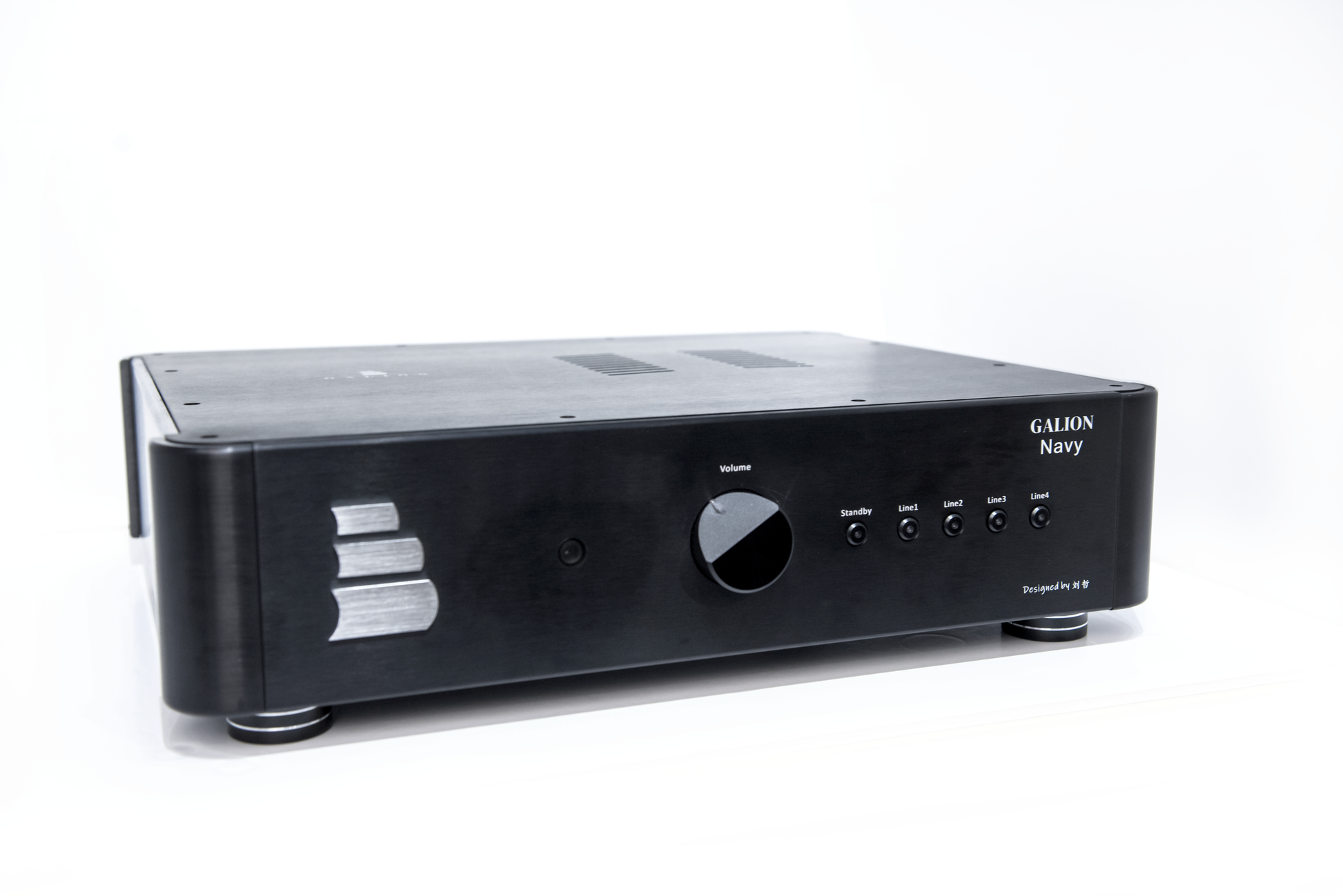
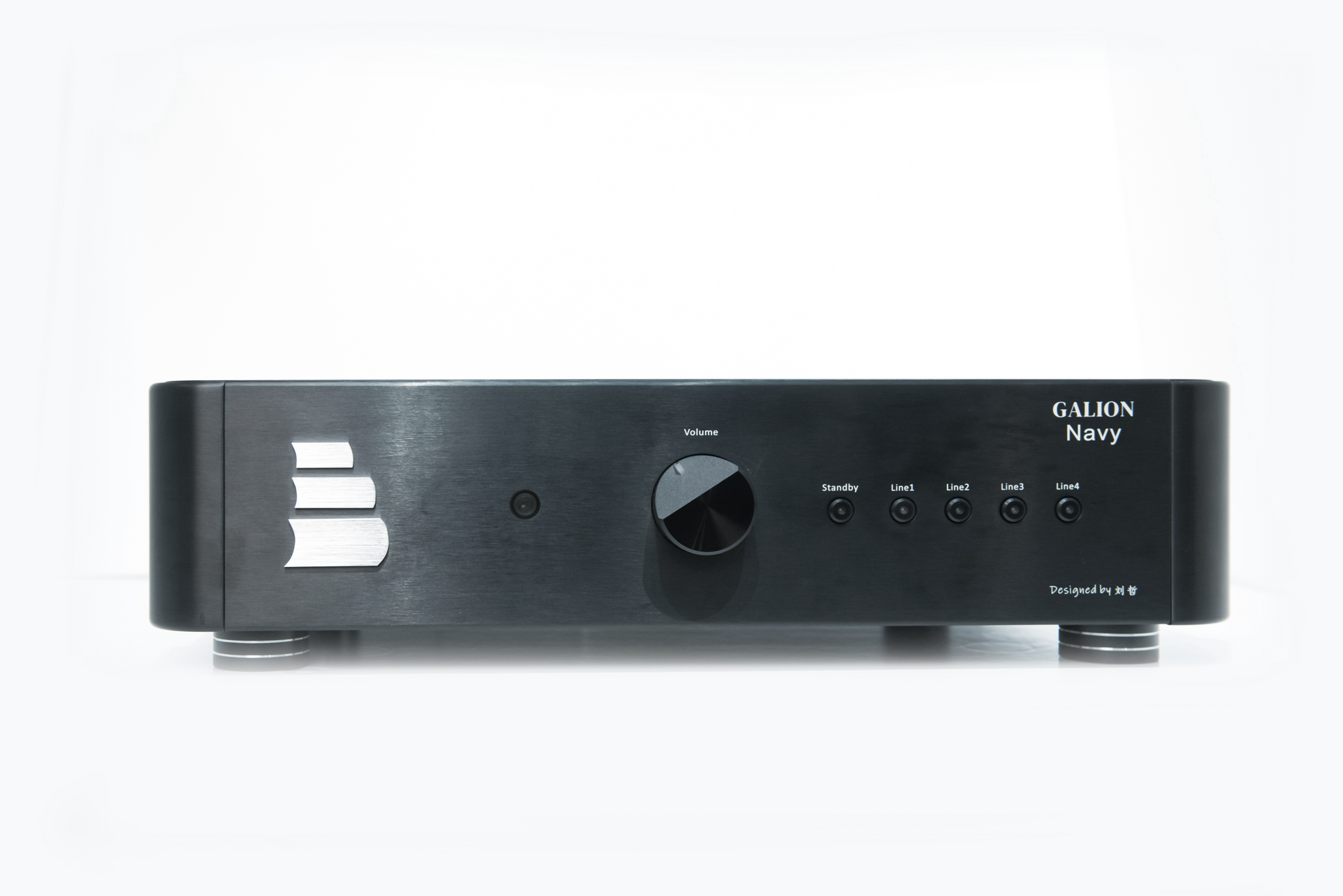
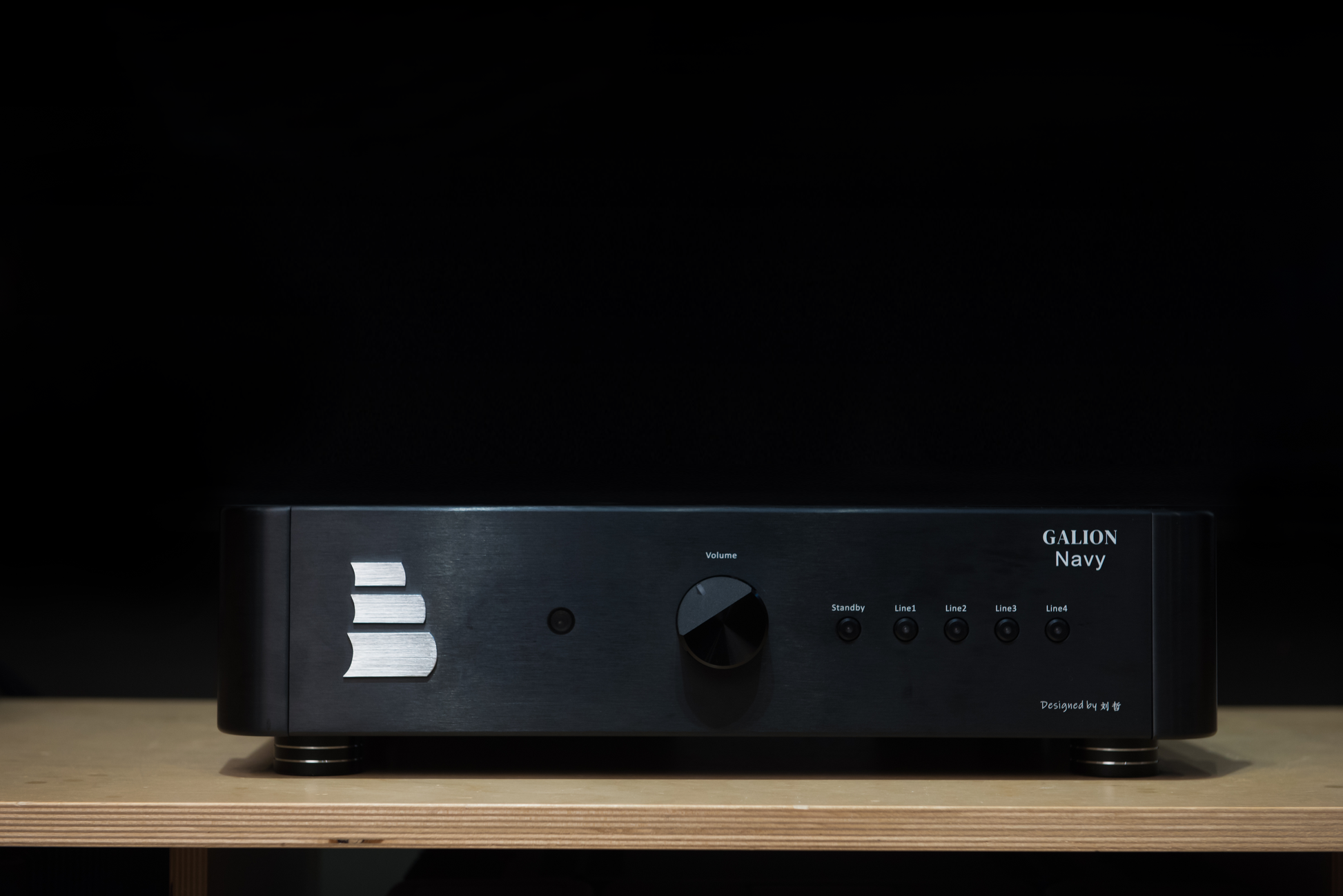
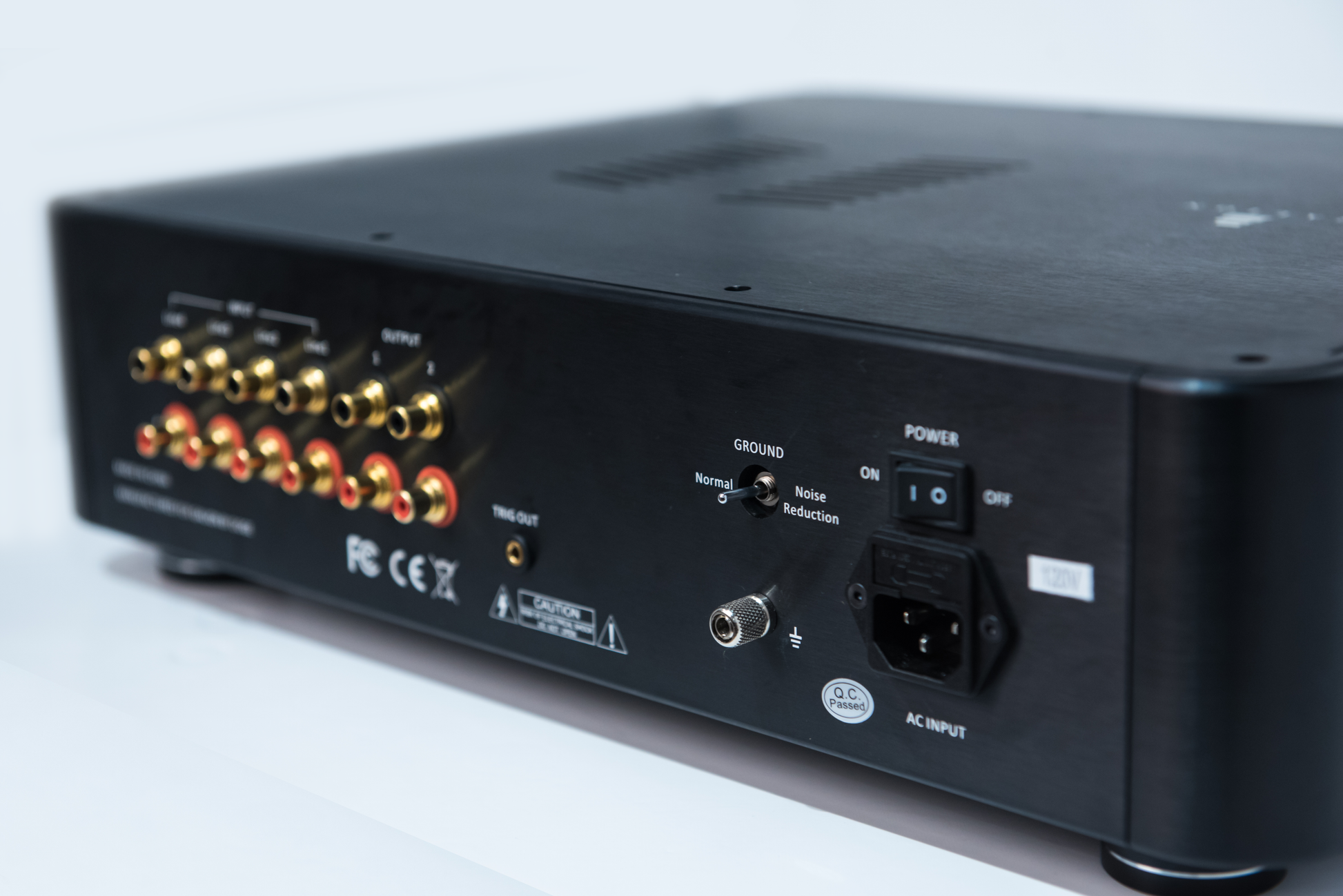
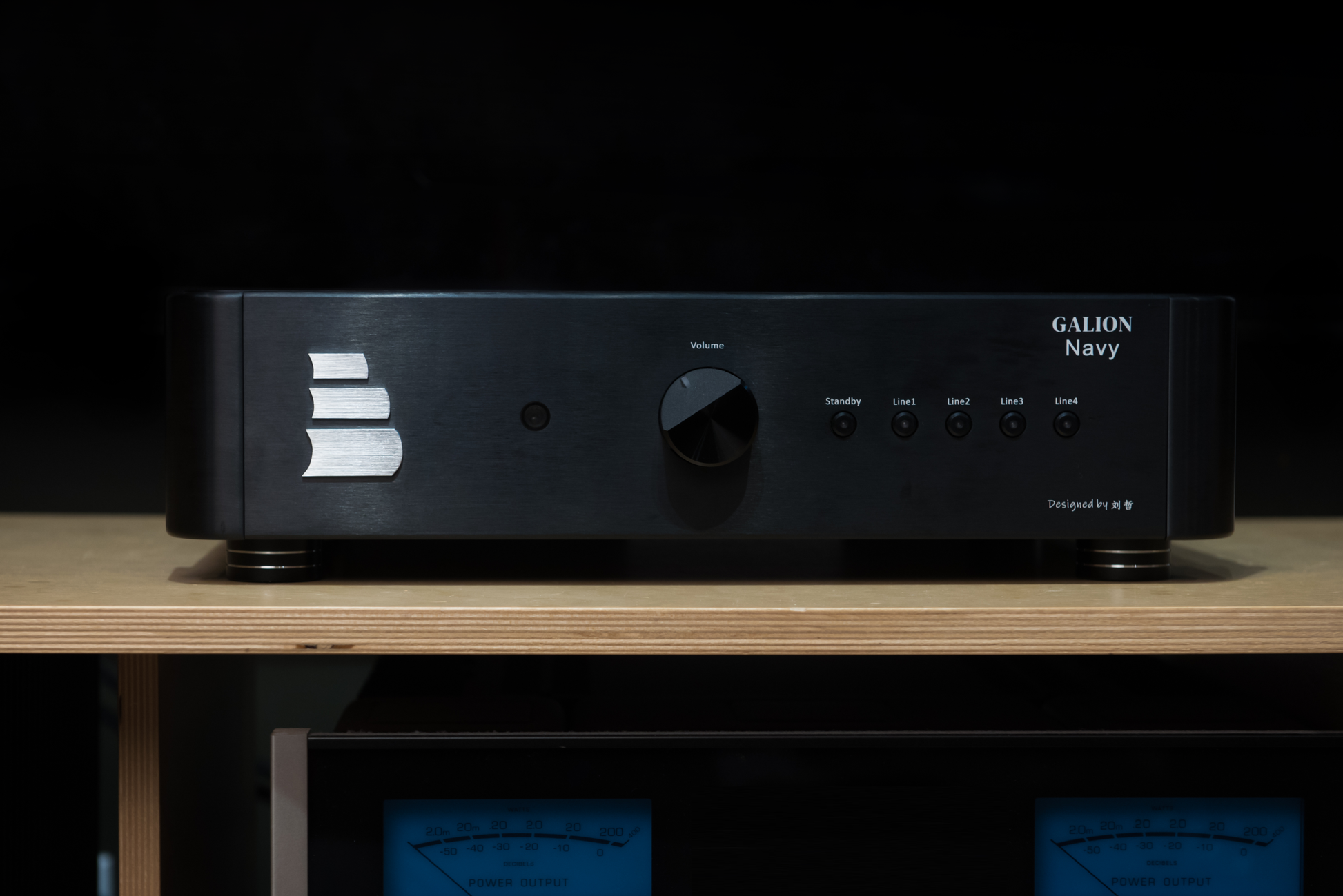
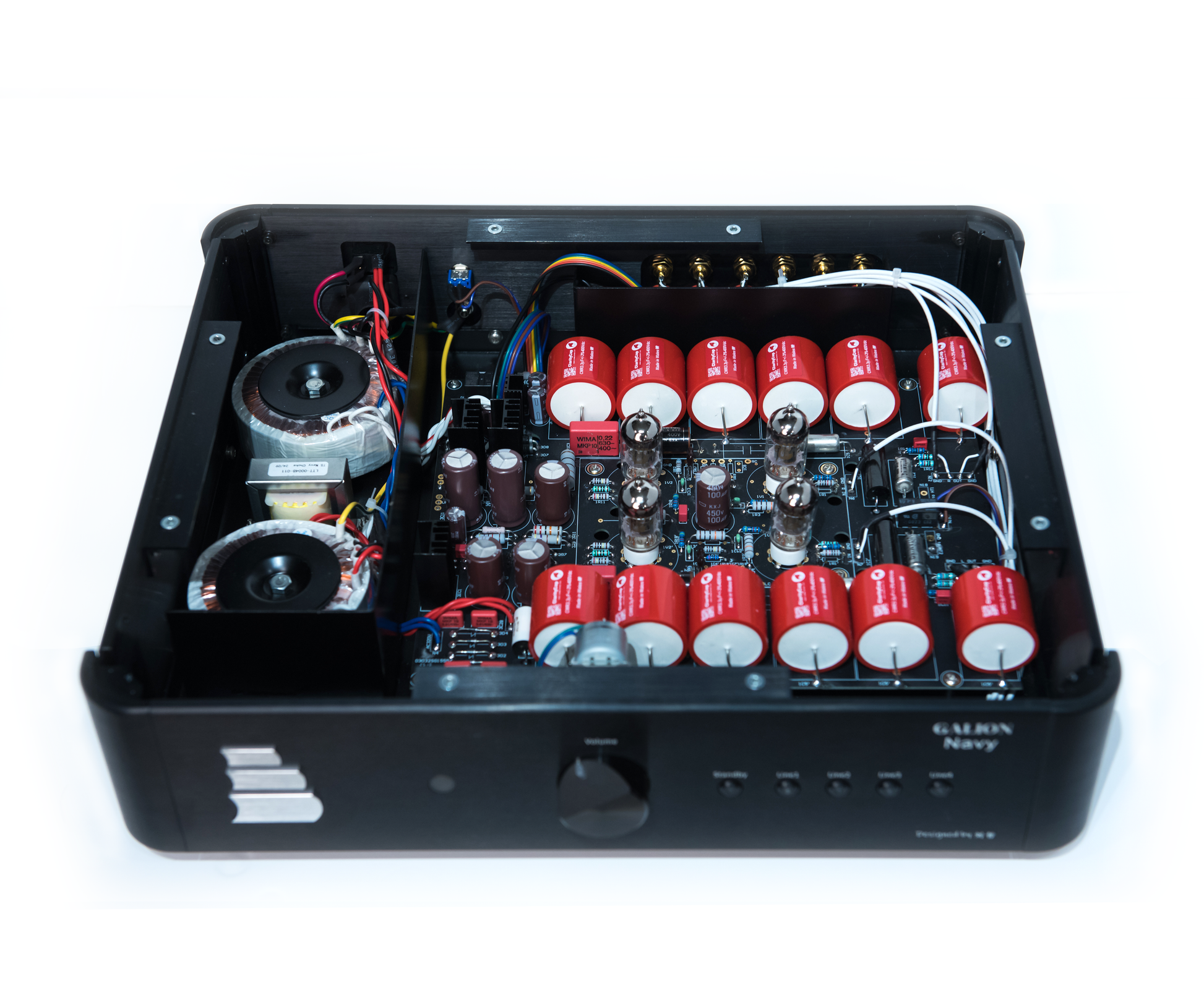
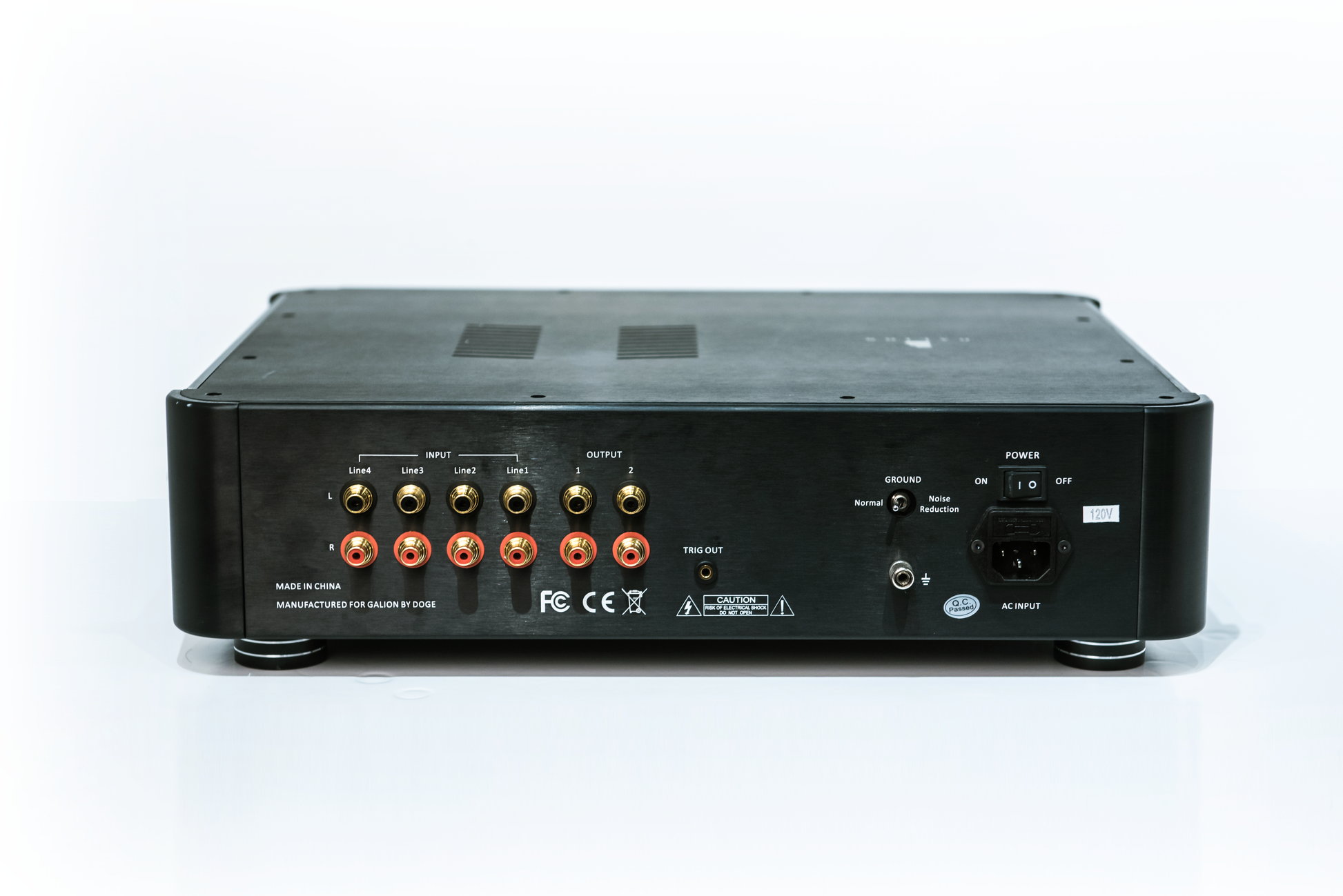
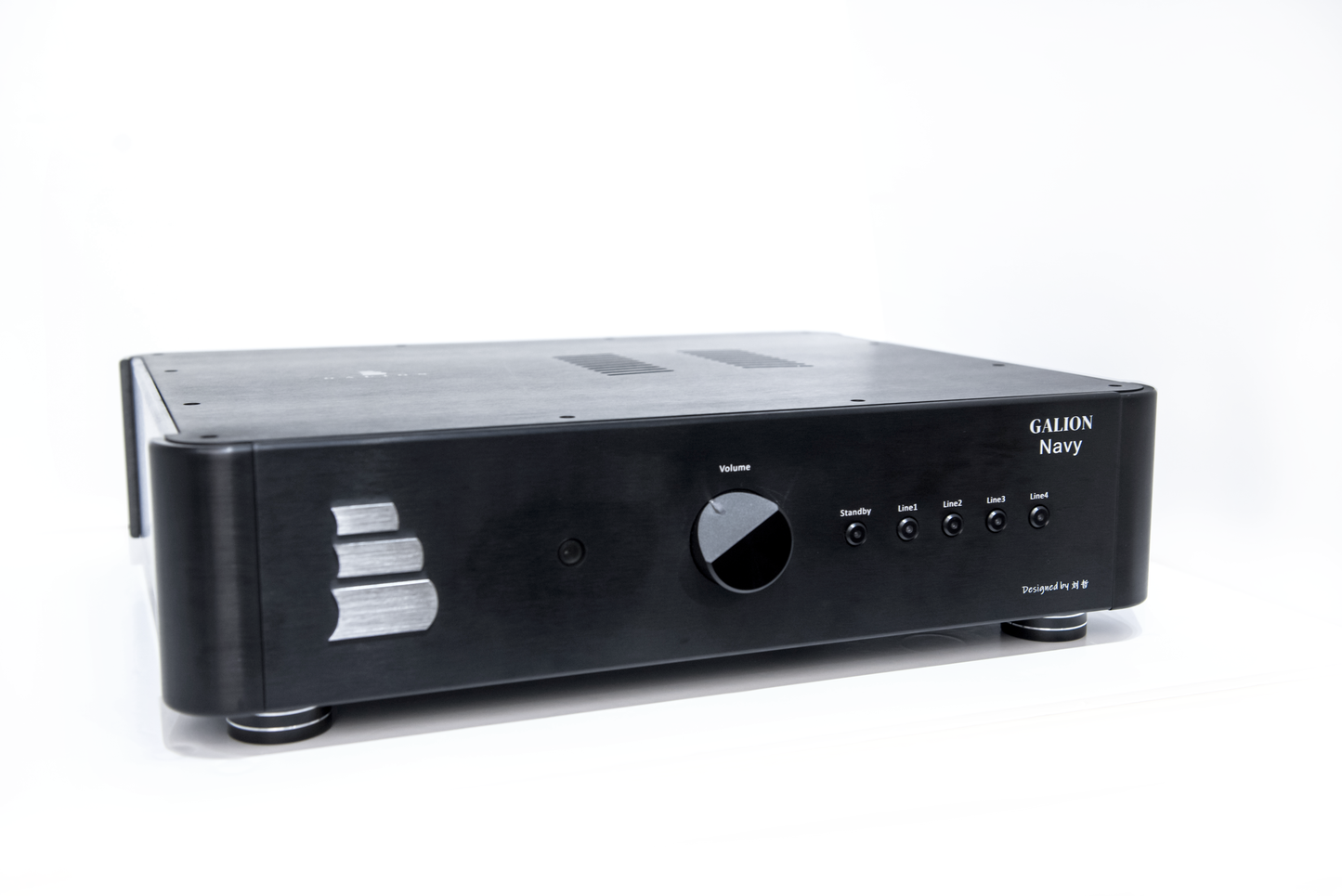
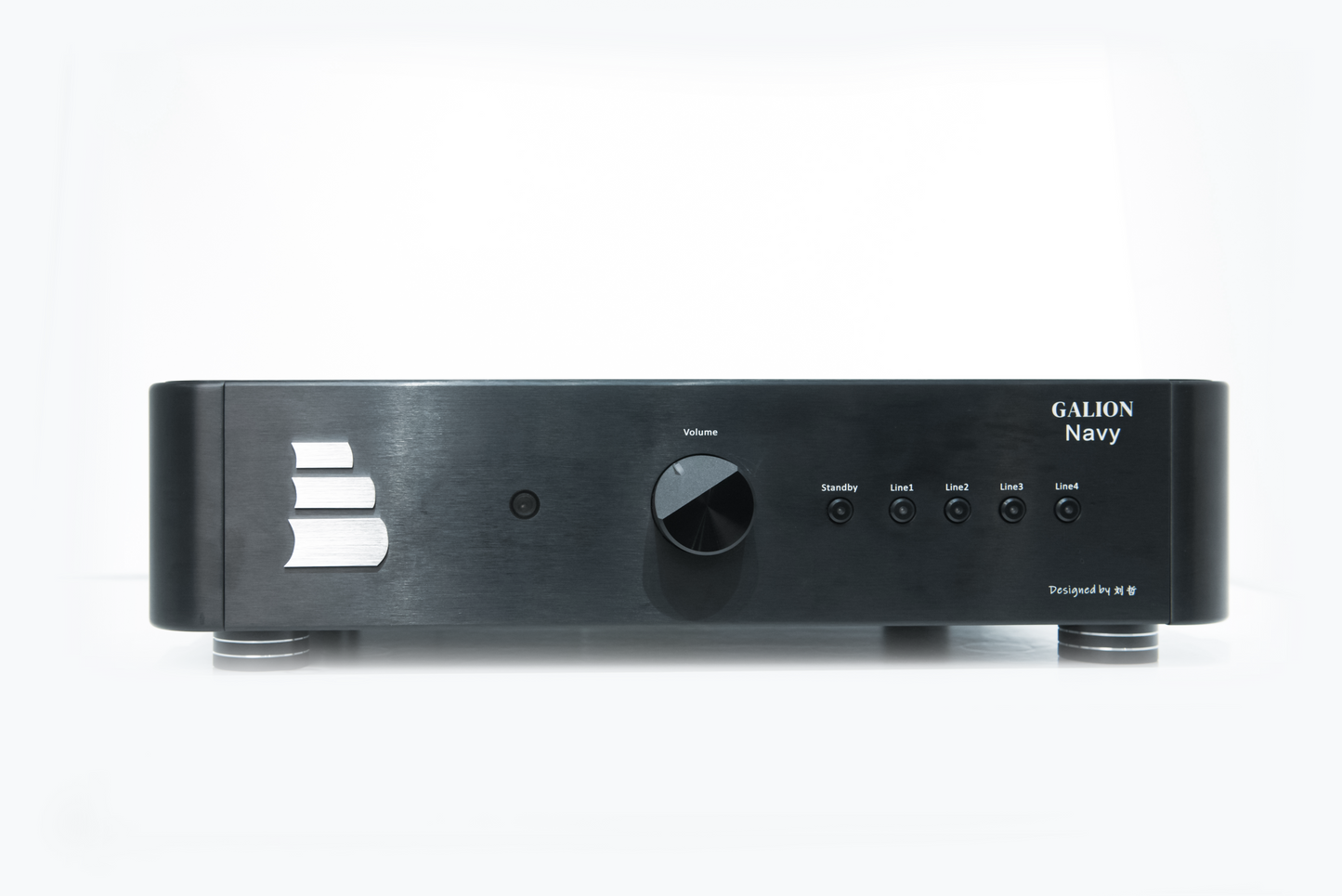
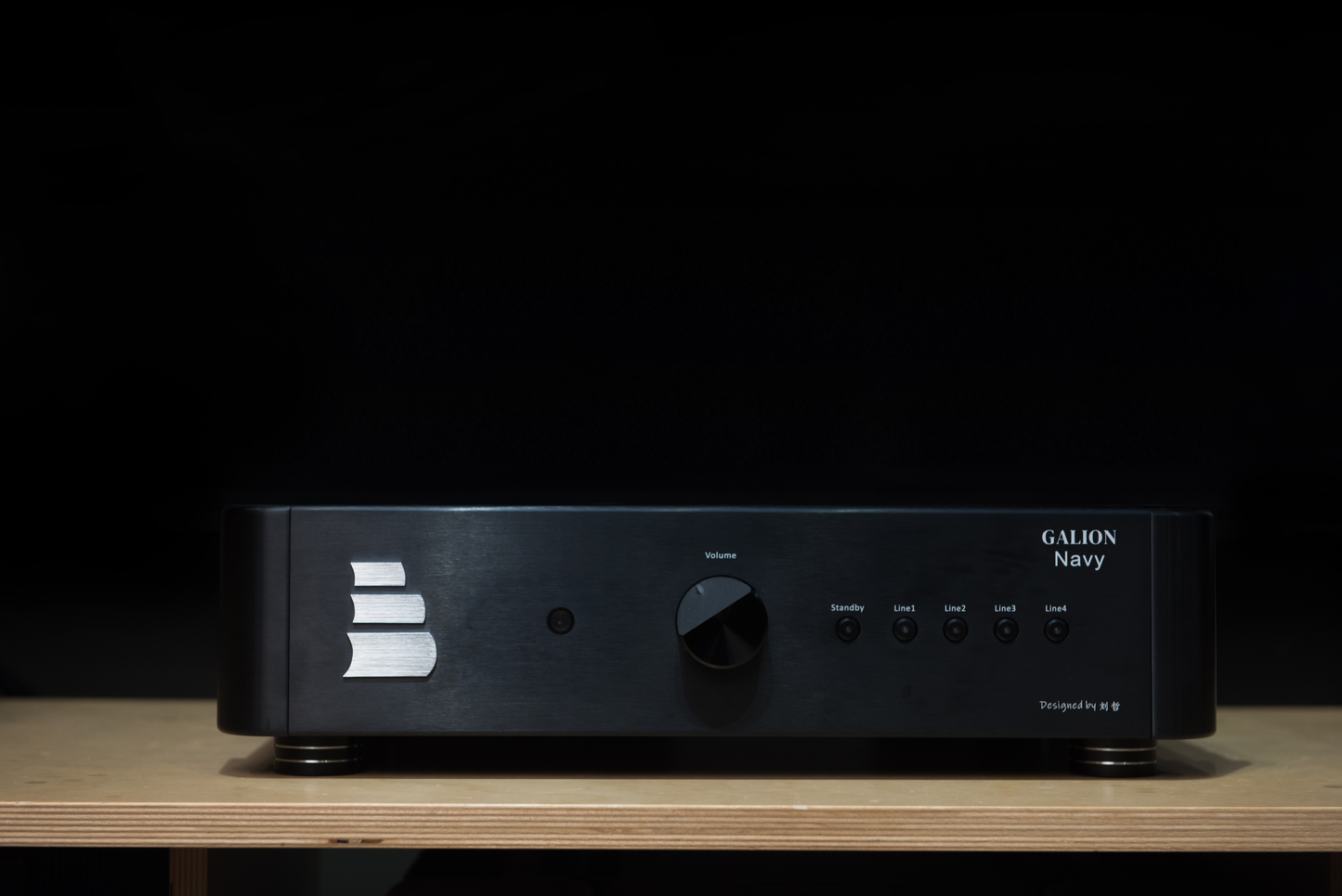
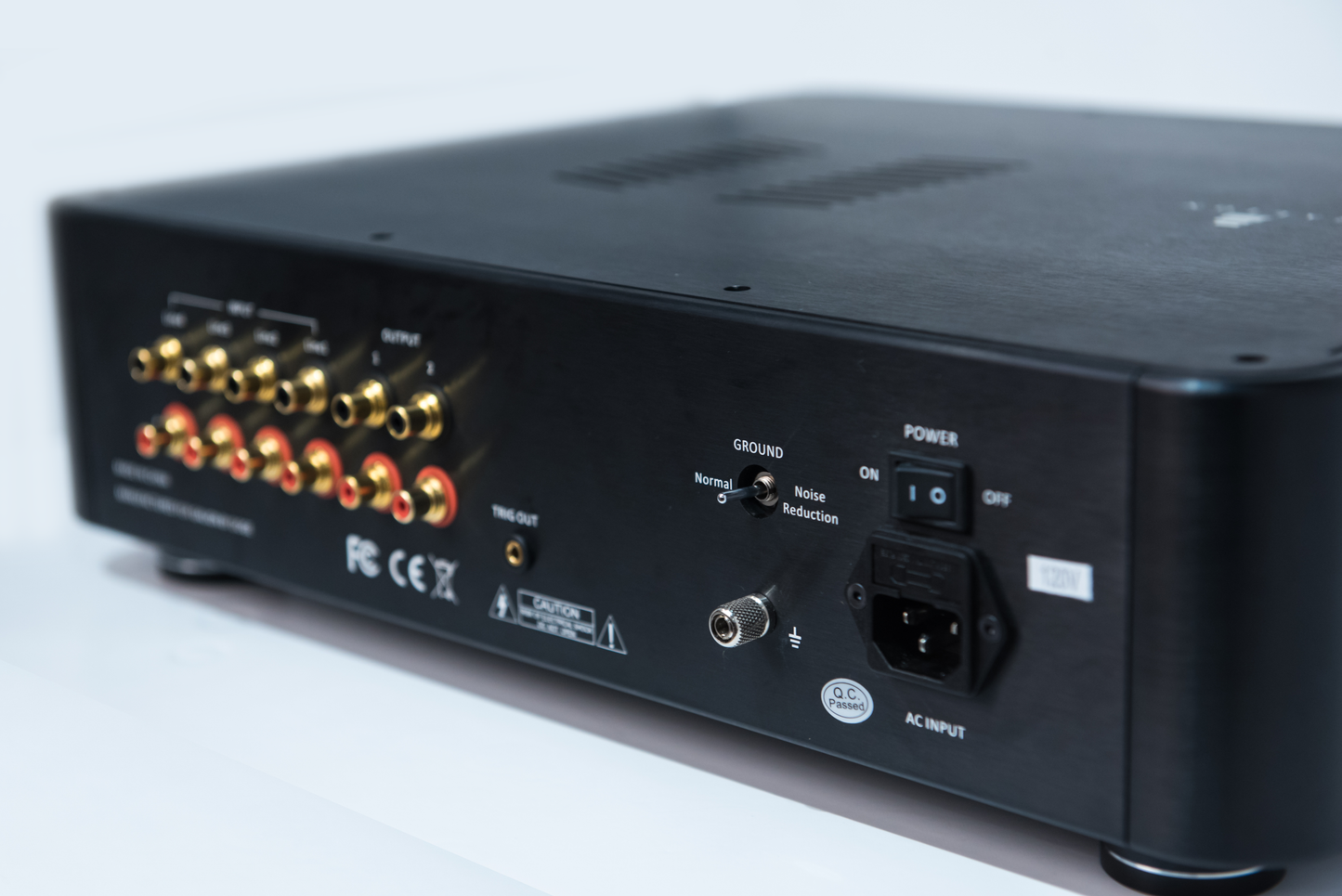
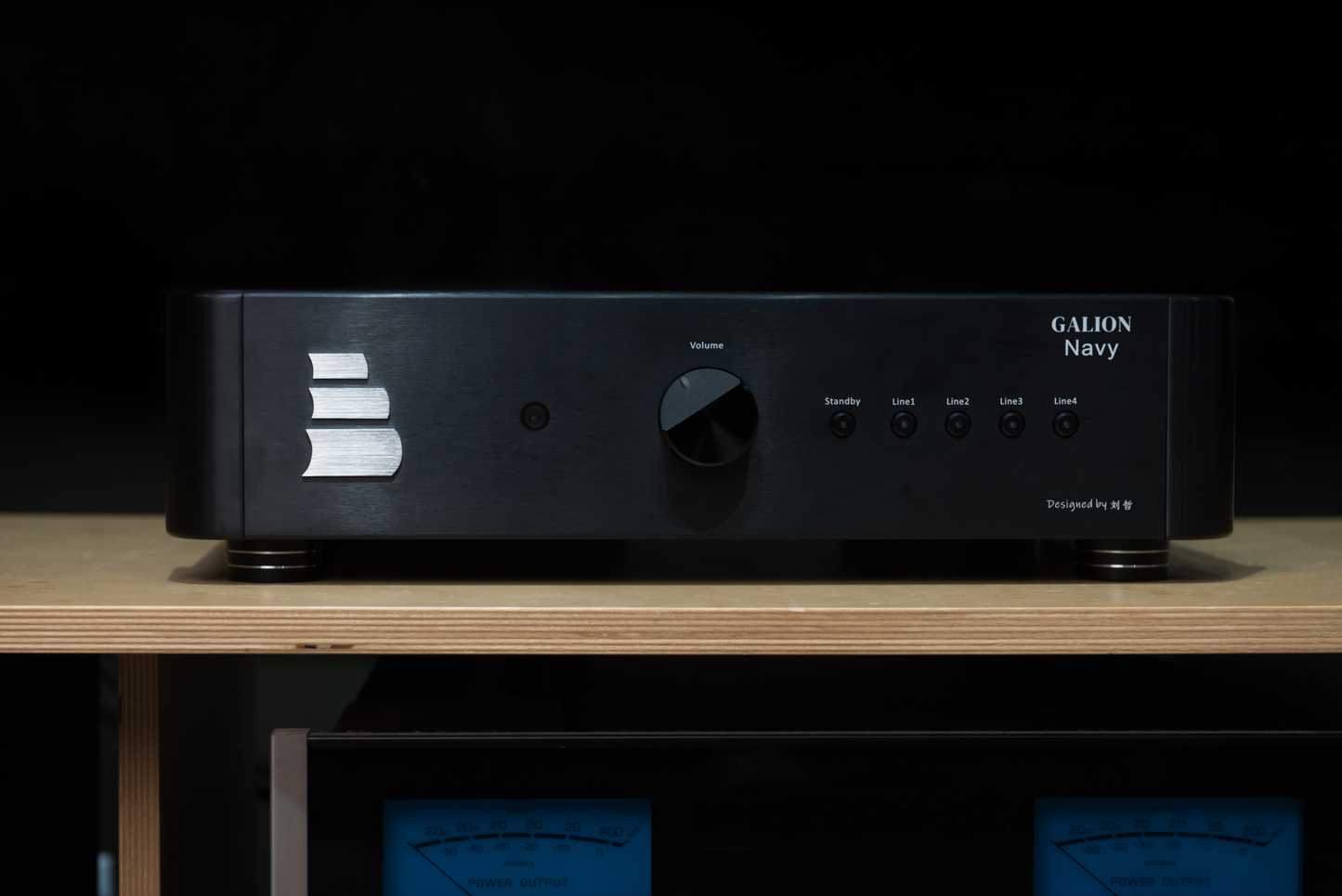
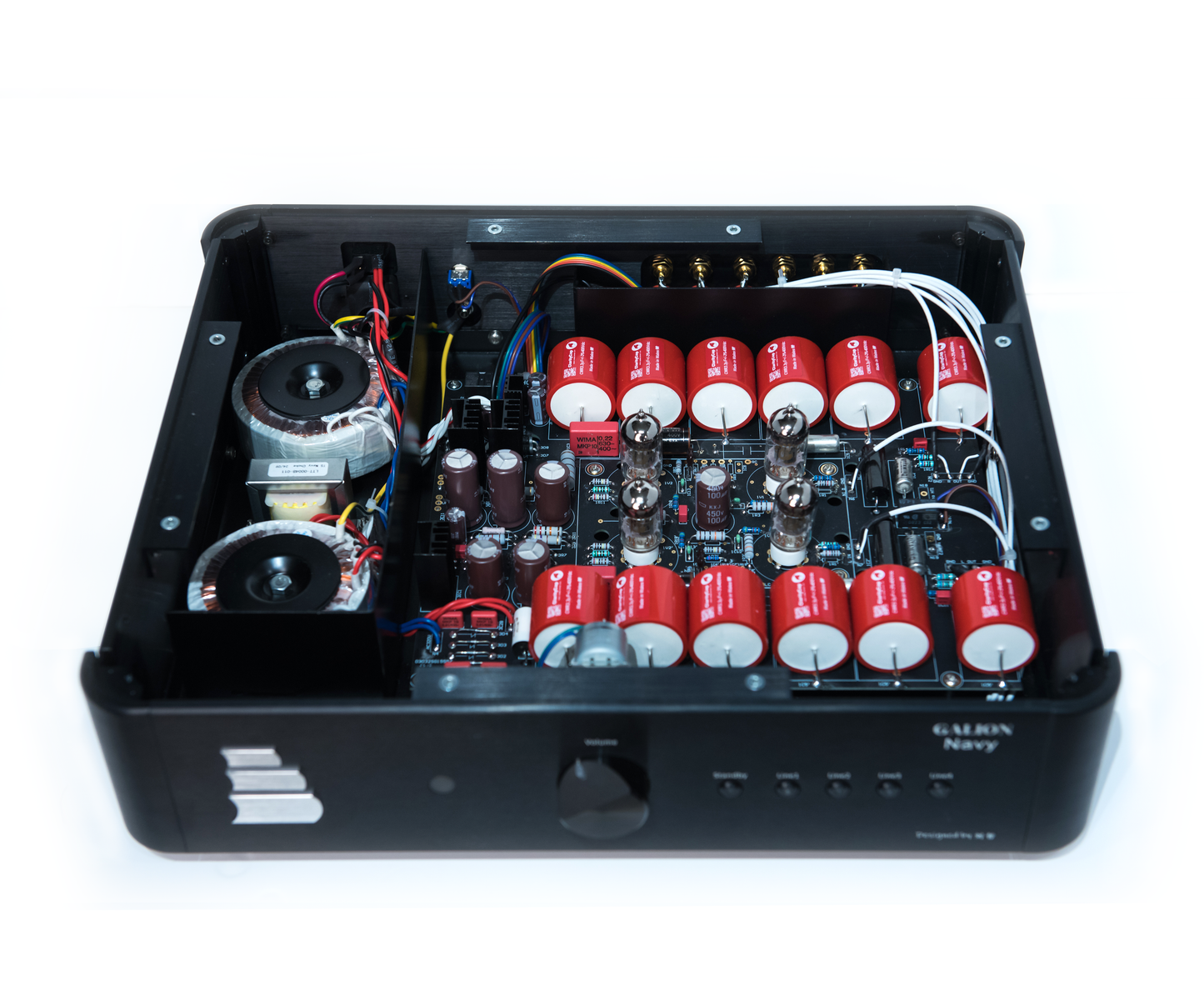
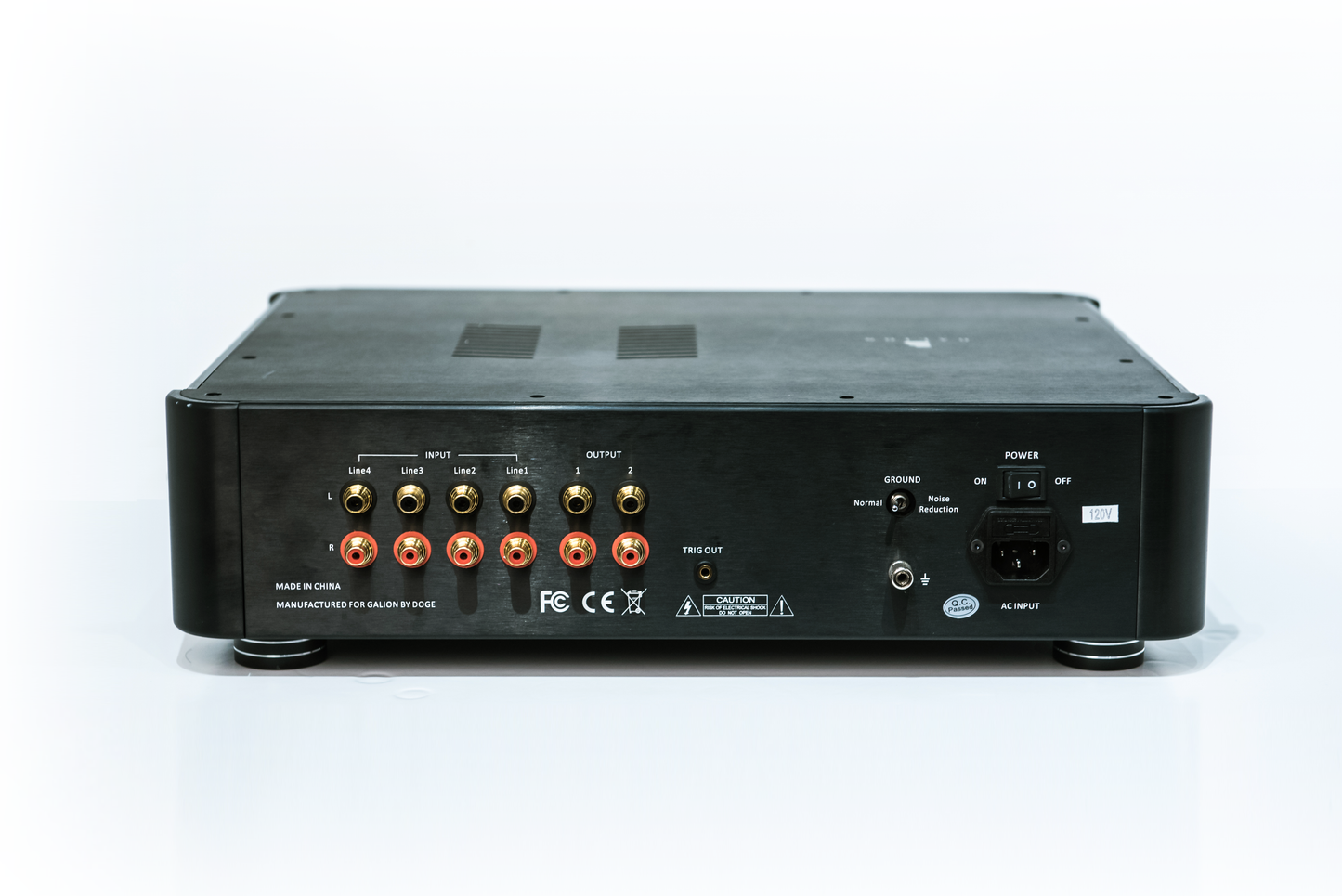
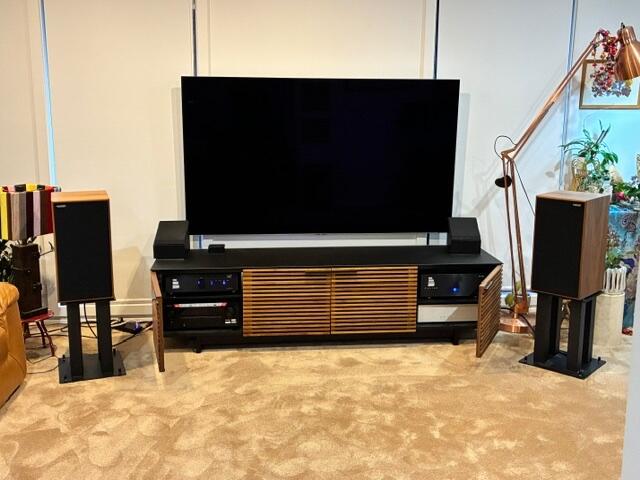
I added the Navy to a Galion A20 power amp, Denafrips Terminator 2 DAC, Cambridge CXVN 2 streamer, Harbeth XD7 speakers and a Denon AVR 3800H
Prior to purchase, Thomas suggested that the P75 might better suit my system and my tastes (as I had conveyed to him). I was however so impressed with the previously purchased A20 that I went straight to the flagship model Navy. When I got it (and after a 100 hour run-in) I knew it was a wonderful preamp and also realised that perhaps I should've paid more attention to Thomas' advise as I found the sound a little hectic and not really to my taste. I found enormous variation (to my ears) between songs on my "Liked Songs" play list, and started listening only to albums as the variation between songs was more manageable. I also realised that my preference for a smoother sound was not a reflection of the obvious quality of the amp, which still gave me enjoyment, but just a reflection of my personal taste. I was on the verge of selling the Navy and buying the P75 instead (as Thomas first suggested).
Thomas was nevertheless undaunted by the situation and provided clear practical suggestions that could tailor the Navy to exactly how I liked it. He suggested adding Mullard valves (ended up getting NOS valves from the inspiration of one Thomas' videos) and they provided an immediate 10% smoother and richer sound (to me). I got some EMG cables which are known for their smoothness and they also had a small effect. Thomas then suggested I could change two little capacitors in an easy swap out to add an extra 10% smoothness (with a further suggestion of an additional change if I wanted to go further to make it 'buttery' smooth but which I didn't do in the end).
Well, that was it!, the sound is now absolutely perfect! The changes had the effect of making nearly 100% of my 'Liked Songs' sound fantastic (to me). And the system is SO relaxing and non-fatiguing - which is exactly how I like it. I suppose I've given up some transparency and nuance, (must have!) but I don't mind at all.
The rub-off is that Thomas provides the best after sales service in the business. No-one has come even remotely close in my experience. He's replied to all of my emails with informative and educational steps and tips. I'm locked in to the Galion brand and can't see myself ever buying anything else